When Is Termite Fumigation Necessary? What You Should Know
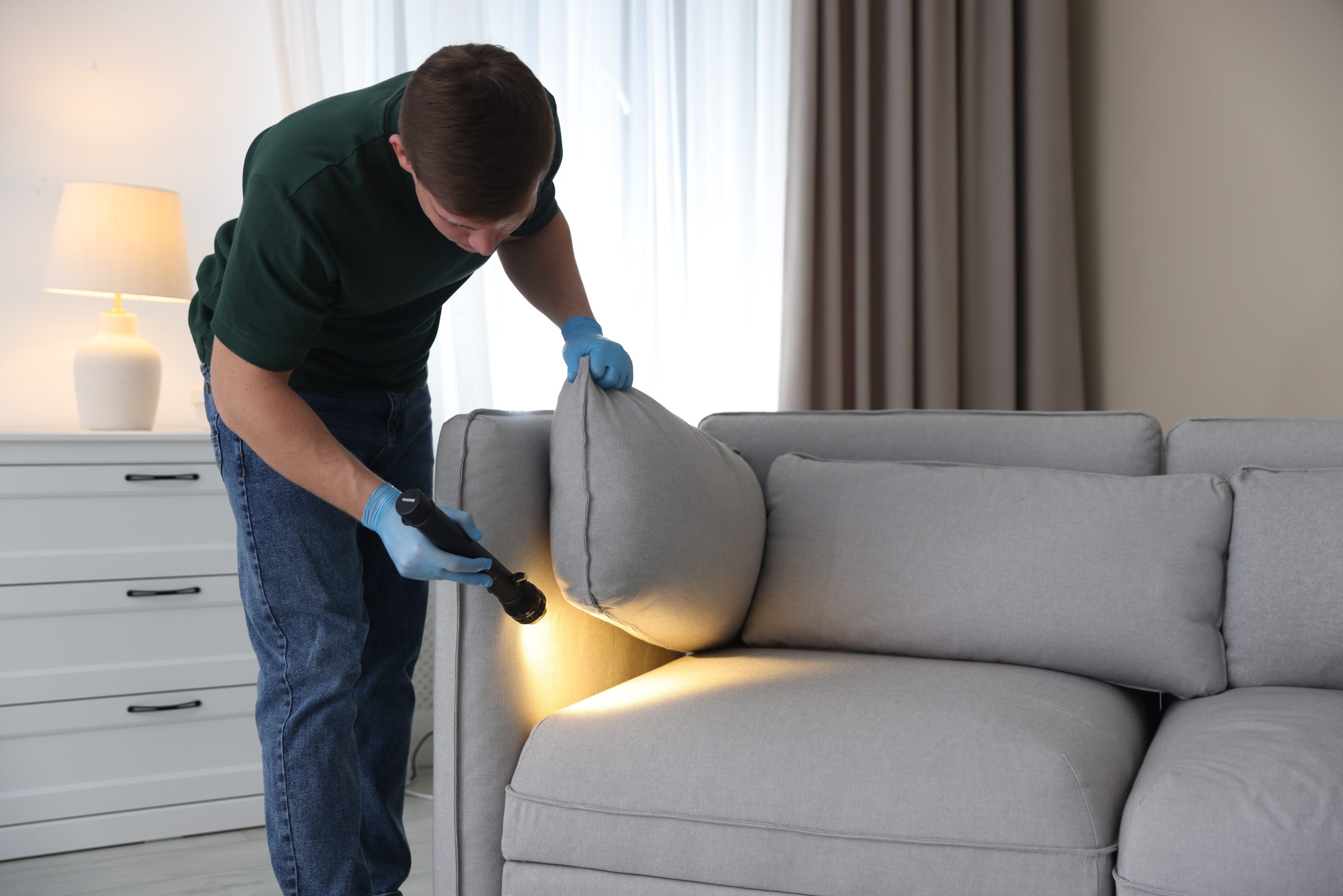
Finding evidence of termites at home can be concerning, especially when you start wondering whether your entire home will need to be tented. While whole-structure fumigation can be an effective treatment for certain termite infestations, finding termites does not automatically mean fumigation is necessary.
Here’s what homeowners should know:
The appropriate treatment depends on several factors, including the type of termite, where activity is found, how accessible the affected areas are, and how widespread the infestation appears to be. A professional termite inspection is the best way to determine whether localized treatment or whole-structure fumigation may be appropriate for your property.
1. When Whole-Structure Fumigation May Be Recommended
Whole-structure fumigation is generally considered when termite activity—particularly drywood termite activity—is widespread, appears in multiple areas of the structure, or cannot be adequately reached with localized treatment methods.
Unlike a spot treatment, which targets a specific area of known activity, fumigation treats the structure as a whole. The home is enclosed with specialized tarps, and a fumigant is introduced so it can reach termites in areas that may otherwise be difficult to access.
Why might this be necessary?
Termite colonies can sometimes be located inside walls, attics, framing, or other concealed areas. When an inspector finds evidence suggesting activity extends beyond a limited, accessible area, whole-structure treatment may be one of the options recommended.
However, the presence of termite droppings, wings, or even visible damage alone does not determine which treatment is appropriate. The recommendation should be based on the findings of a professional inspection and the specific conditions of the property.
2. Localized Treatment vs. Whole-Structure Fumigation
Not every termite infestation requires the same treatment approach. In some cases, termite activity may be limited to a specific, accessible area of the home, making localized treatment an option. In other situations, evidence may suggest that activity is more widespread or located in areas that are difficult to reach directly.
Here’s the key difference:
- Localized treatment: Targets specific areas where termite activity has been identified and can be effectively accessed.
- Whole-structure fumigation: Treats the entire structure, allowing the fumigant to reach drywood termites in both visible and concealed areas.
The appropriate approach depends on what the inspection reveals. An inspector may consider the location and extent of the activity, accessibility of affected areas, previous termite history, and other property-specific conditions before recommending a treatment plan.
Neither option should be viewed as automatically “better” in every situation. The goal is to select a treatment method that appropriately addresses the termite activity identified at the property.

3. What an Inspector Considers Before Recommending Fumigation
A fumigation recommendation should be based on the findings of the termite inspection and the specific conditions of the property. Because every infestation is different, the treatment recommended for one home may not be appropriate for another.
Some of the factors an inspector may consider include:
- Type of termite: Whole-structure fumigation is commonly associated with drywood termite infestations, while other termite species may require different treatment methods.
- Extent of the activity: Evidence found in multiple or widely separated areas may suggest a broader infestation than activity limited to one accessible location.
- Accessibility: Termites can be present inside walls, framing, attics, and other areas that may be difficult to reach with localized treatments.
- Previous termite activity or treatment: The property's termite history may provide additional context when evaluating current findings.
- Condition of the structure: The location of affected wood and other property-specific conditions can influence which treatment options are practical.
The key takeaway is this:
Visible termite evidence alone does not tell you whether your home needs fumigation. A professional inspection helps determine the extent and location of the activity so the available treatment options can be evaluated based on the property itself.
If fumigation is recommended, ask your termite professional to explain what findings led to that recommendation and why whole-structure treatment is being considered instead of a localized approach.
4. What to Do If Fumigation Is Recommended
If your termite inspection results in a recommendation for whole-structure fumigation, take the time to understand why that treatment is being suggested and what areas of the home are affected.
Before moving forward, consider asking your termite professional:
- What inspection findings support the fumigation recommendation?
- Is the termite activity localized or found in multiple areas?
- Are localized treatment options appropriate for this property?
- What should I expect before, during, and after fumigation?
- What preparation will be required before the scheduled treatment?
Understanding the recommendation can help you make a more informed decision and prepare for the next steps.
If whole-structure fumigation is determined to be the appropriate treatment, your pest control professional should provide specific preparation and safety instructions for your property. Follow those instructions carefully, since requirements can vary depending on the fumigation plan and the property.
If you’ve found evidence of termites and aren’t sure which treatment may be appropriate, Accurate Termite & Pest Control can evaluate the property and discuss the available options based on the inspection findings.
Schedule a pest inspection with one of our local pest inspectors at (888) 468-2687.