Termites During Escrow: Who Pays for Home Damage?

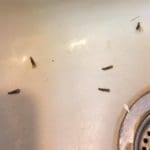
You finally found your dream home in Southern California, your offer was accepted, and you are deep into the escrow process. Then, the home inspection drops a bombshell: there is clear evidence of termites at home.
But there is a problem:
Does this mean the deal is dead? Does the buyer have to shell out thousands of dollars, or will the seller cover the treatment? Navigating structural damage during a real estate transaction requires a clear understanding of state disclosure laws and contract negotiations.
1. The Power of the Disclosure Agreement
In California, sellers are legally bound by disclosure report laws. This means they must disclose any known material issues that could affect the property's value, including the presence of wood-destroying organisms.
Why does this matter?
If you are selling a home, honesty is your best financial protection. Failing to disclose known termite damage can lead to severe legal and financial repercussions after the sale closes. Listing previous pest treatments on the disclosure agreement covers your liability.
Transparency Saves the Deal
Buyers are often willing to accept minor, previously treated issues. Being upfront builds the trust necessary to keep escrow moving smoothly.
2. Understanding Section 1 vs. Section 2
When a licensed inspector evaluates the property, they will separate their findings into two distinct categories. Understanding this division is critical for negotiating repair costs during closing.
Here is the breakdown:
| Report Section |
Definition | Common Example |
|---|---|---|
| Section 1 | Active infestations of Wood Destroying Organisms. |
Live Drywood termites found in a window jamb. |
| Section 2 | Conditions conducive to future infestations. |
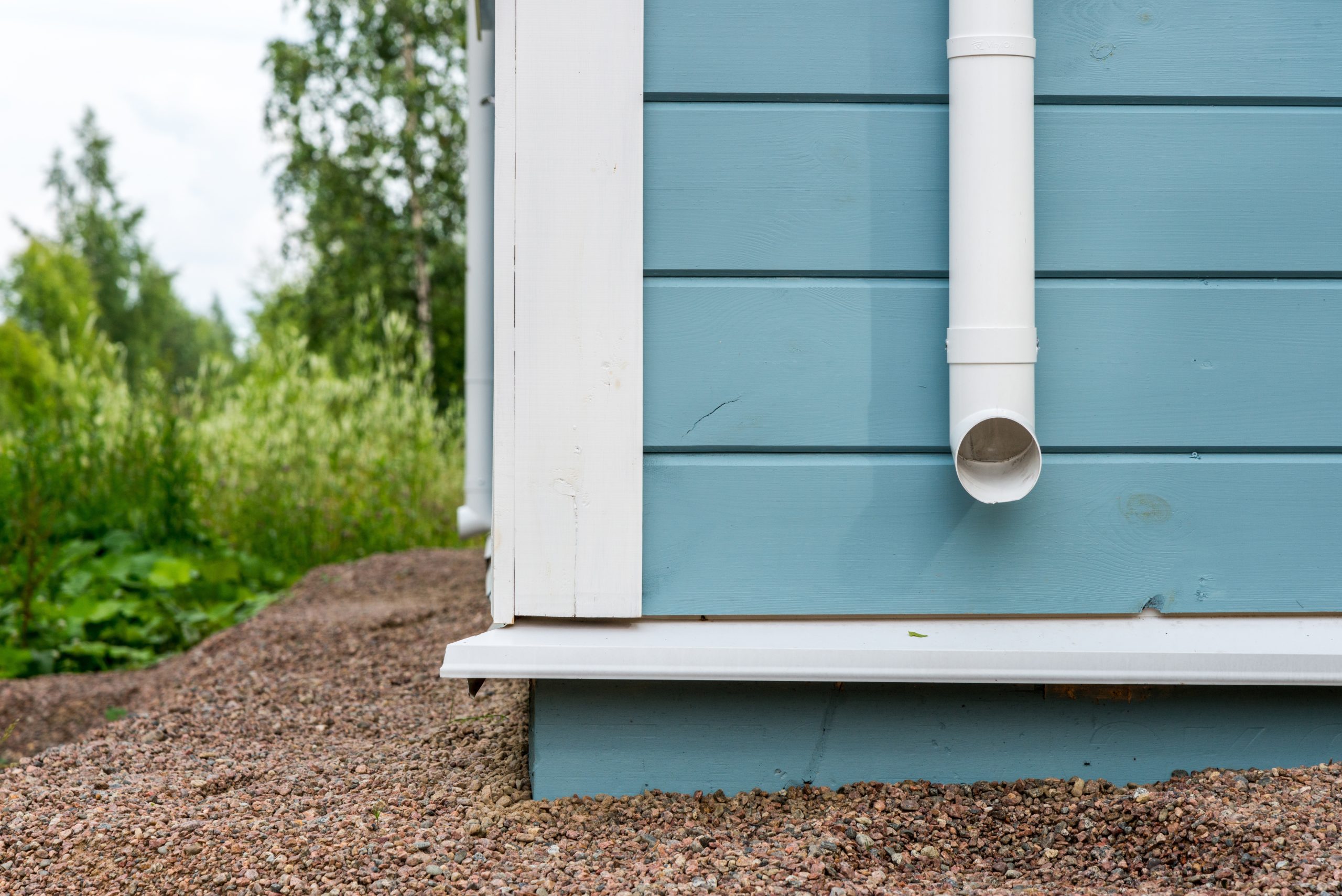
Soil making direct contact with exterior wood siding. |
3. Who Actually Pays for the Treatment?
The ultimate financial responsibility comes down to the phrasing of the real estate contract. However, there is a standard precedent that most Southern California real estate agents follow.
Here is the general rule:
In most traditional sales, the seller pays for Section 1 items (active termite treatment) through closing costs. The buyer typically pays for Section 2 items (future termite prevention). However, if the house is strictly listed "as is," the buyer absorbs all financial responsibility.
4. Government Loan Requirements and Delays
Even if a buyer is willing to accept a home with termite damage, their mortgage lender might block the transaction. The lending industry requires strict protection of their investments.
What is the catch?
Government-backed loans, such as FHA or VA loans, almost always require Section 1 items to be completely remediated before they will fund the loan. To prevent massive delays in escrow, sellers should proactively address active infestations before listing the property.
Do not let wood-destroying pests derail your property sale or purchase. Partner with Accurate Termite and Pest Control for swift, reliable escrow inspections and clearances across Southern California. Call us today to secure your transaction!
Schedule a pest inspection with one of our local pest inspectors at (888) 468-2687.